
Every Child Deserves To Feel Included
The Impact Of Inclusion
When Children Feel Understood, Everything Changes
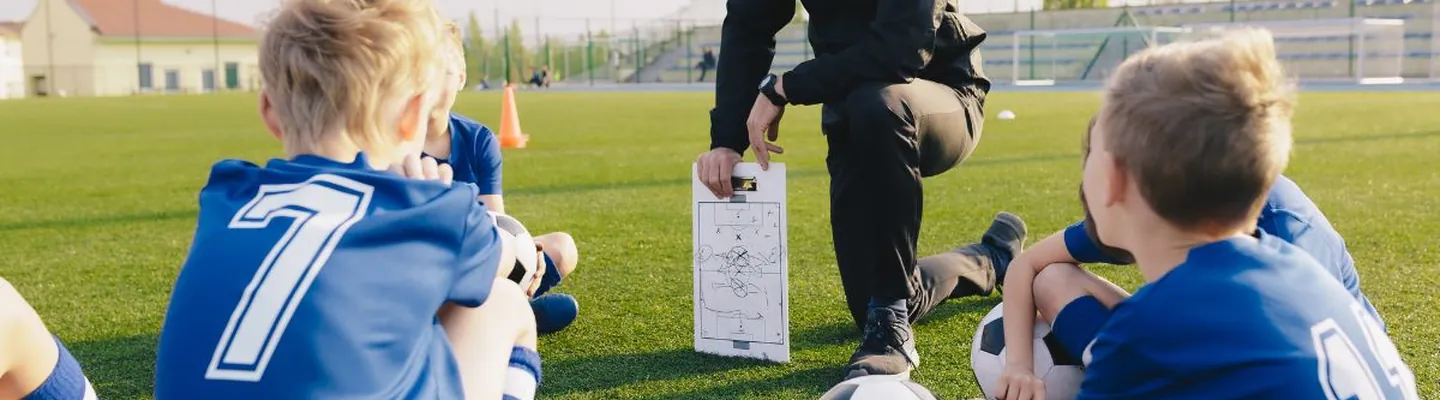
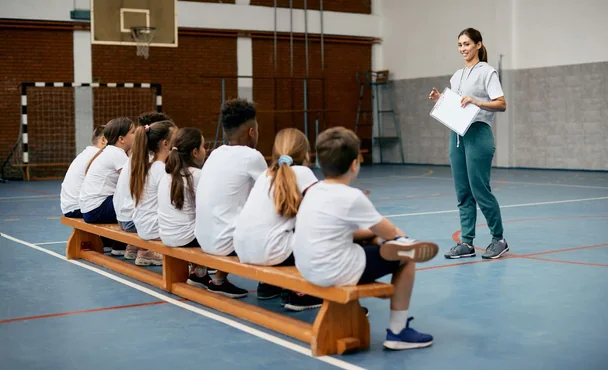
Sport and physical activity have the power to build confidence, connection and belonging. For many neurodivergent children, these experiences can depend entirely on whether the environment around them feels safe, supportive and inclusive.
At Beyond Typical Training, we believe inclusive practice does more than improve participation. It changes how children and young people see themselves, how they engage with others, and how confident they feel stepping into sport and physical activity.
Real experiences in sport
Their voice matters
Every child experiences sport and physical activity differently. Their feedback highlights how the right support, communication and coaching can make training more enjoyable, less overwhelming, and more accessible for children and young people.
-
"The difference has been incredible. Our son is enjoying basketball so much more now that his coach understands his ADHD and adapts to what he needs to succeed"
Sarah T.Parent of Oliver, 8 -
“The support from the coach has helped Jack enjoy sport in a way he never did before.”
Daniel F.Parent of Jack, 11 -
“Now my coach gives more demonstrations, I am able to understand what I need to do”.
Emma.Age 9 -
“My coach really understood me. They gave me time, explained things differently, and it made such a difference.”
Seb.Age 11
Small changes make a big impact
What supportive coaching looks like
-

Clearer Communication
Simple, consistent instructions help children feel calmer, understand what to expect and participate with confidence.
-

Flexible Approaches
Adapting activities and expectations means every child and young person can access sessions in a way that works for them.
-

More Confident
When children and young people feel understood and supported, they are more willing to try, take part and celebrate their progress.
-

Safer Spaces
Supportive environments reduce anxiety and help children feel safe to be themselves, ask for help and enjoy being active.
Neurodiversity In Sport
Different Minds in Sport
For many, sport and physical activity is about participation, belonging and inclusion – but when neurodivergent athletes are understood and supported, it can also become a pathway for exceptional performance.
-
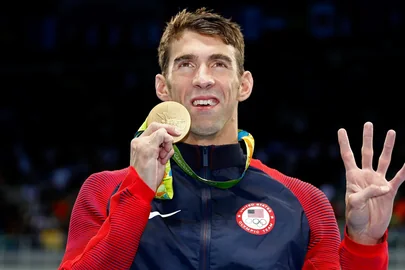
"Sports gave me somewhere to focus my energy"
Michael Phelps SwimmerMichael Phelps has discussed growing up with ADHD and how swimming became an outlet that helped build confidence, structure and focus throughout his life.
- 23 Olympic Gold Medals
- 28 Olympic Medals
-
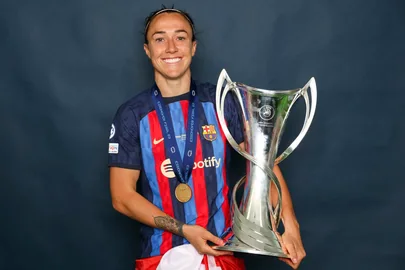
“Football helped me feel focused and confident growing up.”
Lucy Bronze FootballerEngland and Barcelona defender Lucy Bronze has spoken about neurodiversity within her family and how structure, routine and football helped her build confidence.
- European Champion
- Champions League Winner
-
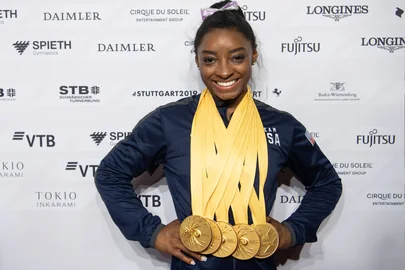
“I’m not ashamed of my ADHD, it’s nothing to be ashamed of.”
Simone Biles GymnastSimone has spoken openly about living with ADHD and the importance of accepting neurodivergence. Her openness has helped challenge stigma around ADHD in sport.
- 7 Olympic Medals
- 25 World Championship Medals
Drop us a message
Contact Us
Whether you’re looking for training, support or simply want to explore ideas, we’d love to hear more about you and how we may be able to help.
Thank you — your message has been sent
We’ve received your message and will get back to you as soon as we can.